

Restoring Vision: How Precision Eyelid Surgery Repairs Ptosis and Drooping Margins
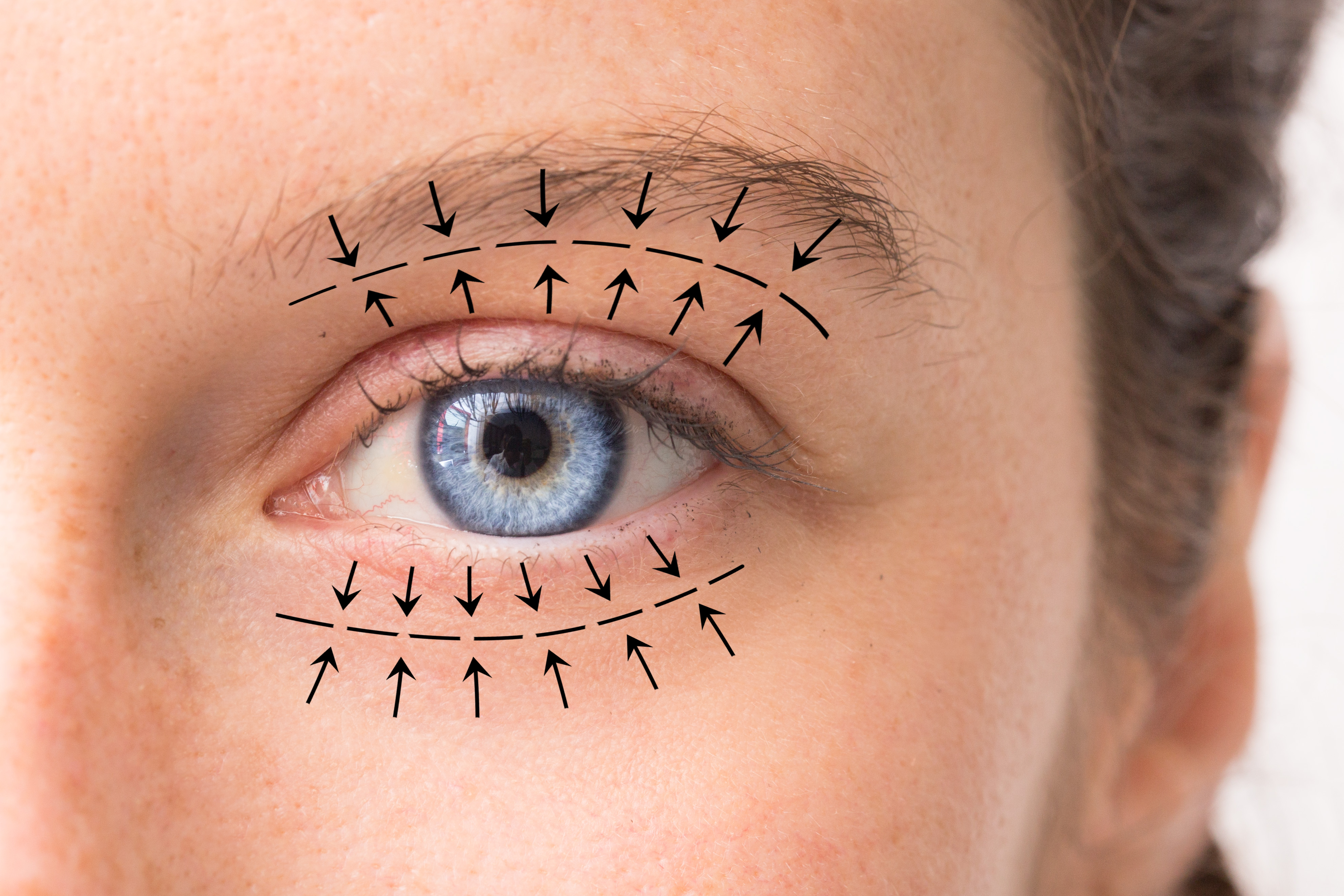
A drooping upper eyelid can do more than change facial appearance. When the eyelid margin sits too low, it may obstruct part of the visual field, create a heavy sensation, and make the eyes feel tired. For patients in Cooper City, precision eyelid surgery can restore a clearer line of sight while improving eyelid position and symmetry.
Understanding Ptosis and Drooping Eyelid Margins
Ptosis occurs when the upper eyelid falls lower than its normal position. It often develops when the connection between the eyelid and the muscle responsible for lifting it becomes stretched or weakened. Aging is a common factor, although ptosis may also be related to an injury, previous surgery, or an underlying muscle or nerve condition.
The condition can affect one or both eyes. In advanced cases, patients may raise their eyebrows or tilt their head back to see beneath the drooping lid. A detailed eyelid evaluation can determine whether the concern is true ptosis, excess eyelid skin, or another form of eyelid malposition.
Signs That Ptosis May Be Affecting Vision
A low eyelid margin does not always cause obvious vision loss. Symptoms may become more noticeable while reading, driving, working at a computer, or completing tasks that require looking upward. Common signs include:
• Hooded or obstructed upper vision
• Eyelid heaviness or fatigue
• Uneven eyelid height
• Frequent eyebrow lifting
• Difficulty keeping the eyes comfortably open
Patients experiencing these concerns should receive a professional evaluation rather than assuming the issue is only cosmetic.
How Precision Ptosis Repair Works
Ptosis repair raises the upper eyelid by improving the connection between the eyelid and the levator muscle responsible for lifting it. Depending on the type and severity of the drooping, the surgeon may work through an incision in the natural eyelid crease or from the underside of the lid.
Careful surgical planning is important because the goal is not simply to lift the eyelid. The eyelid margin must be positioned to improve vision while supporting comfortable blinking, proper eye closure, and natural facial balance. Ptosis repair is commonly performed with local anesthesia and sedation.
Ptosis Repair Versus Blepharoplasty
Ptosis repair and blepharoplasty address different concerns. Ptosis repair strengthens or repositions the eyelid-lifting mechanism. Blepharoplasty removes excess skin and fat that may create heaviness or a hooded appearance.
Some patients have both muscle-related drooping and excess upper eyelid skin. In these cases, the procedures may be combined when appropriate. A personalized examination helps identify which approach may provide functional improvement and a natural-looking result.
What to Expect After Eyelid Surgery
Temporary swelling, bruising, tightness, and mild irritation may occur during early healing. Patients receive instructions for protecting the surgical area, using prescribed medications, and limiting certain activities.
As healing progresses, the eyelid margin gradually settles into its new position. Follow-up visits allow the surgeon to monitor eyelid symmetry, eye closure, comfort, and visual improvement.
Schedule an Eyelid Surgery Consultation in Cooper City
Learn whether eyelid surgery can improve your vision by scheduling a consultation at Hollywood Eye Institute & Aesthetic Center. Contact our office in Cooper City, FL, by calling (754) 220-4800 to book an appointment.


Contact Info
Hours of Operation
- Monday8:30am - 5:00pm
- Tuesday8:30am - 5:00pm
- Wednesday8:30am - 6:30pm
- Thursday8:30am - 5:00pm
- Friday8:30am - 5:00pm
- Saturday9:00am - 2:00pm
(Two Saturday's a month) - SundayClosed
Join Our Team
We are always in search of Rockstar employees to join our growing team. Click here to inquire about job opportunities at Hollywood Eye Institute.
© 2026 Hollywood Eye Institute & Aesthetic Center. All rights Reserved. Accessibility Statement - Privacy Policy - Sitemap
Powered by: