

Decoding Advanced Dry Eye Relief: Choosing Between IPL, RF, and iLux Treatments in Hollywood, FL
When artificial tears only provide temporary relief, chronic dry eye may require a closer look at what is causing the tear film to break down. For many patients, the problem involves meibomian gland dysfunction, or MGD, which affects the oil-producing glands along the eyelids.
At Hollywood Eye Institute & Aesthetic Center in Cooper City, we offer advanced dry eye treatments designed to address different contributors to ocular surface irritation. Options such as OptiLight IPL, radiofrequency-based treatment, and iLux can target inflammation, blocked glands, and poor oil flow in different ways.
Why Meibomian Gland Dysfunction Matters
Healthy tears contain an oily outer layer that slows evaporation. The meibomian glands produce these protective oils.
When the glands become blocked or inflamed, tears may evaporate too quickly. This can lead to recurring symptoms such as burning, grittiness, watering, fluctuating vision, and contact lens discomfort.
Signs that may point toward chronic dry eye or MGD include:
- Burning or stinging eyes
- Redness around the eyes or eyelids
- Gritty or sandy sensations
- Watery eyes that still feel dry
- Blurry vision that improves after blinking
- Contact lens intolerance
- Symptoms that quickly return after using artificial tears
A detailed dry eye evaluation helps determine which treatment is best suited to the underlying problem.
OptiLight IPL Targets Inflammation
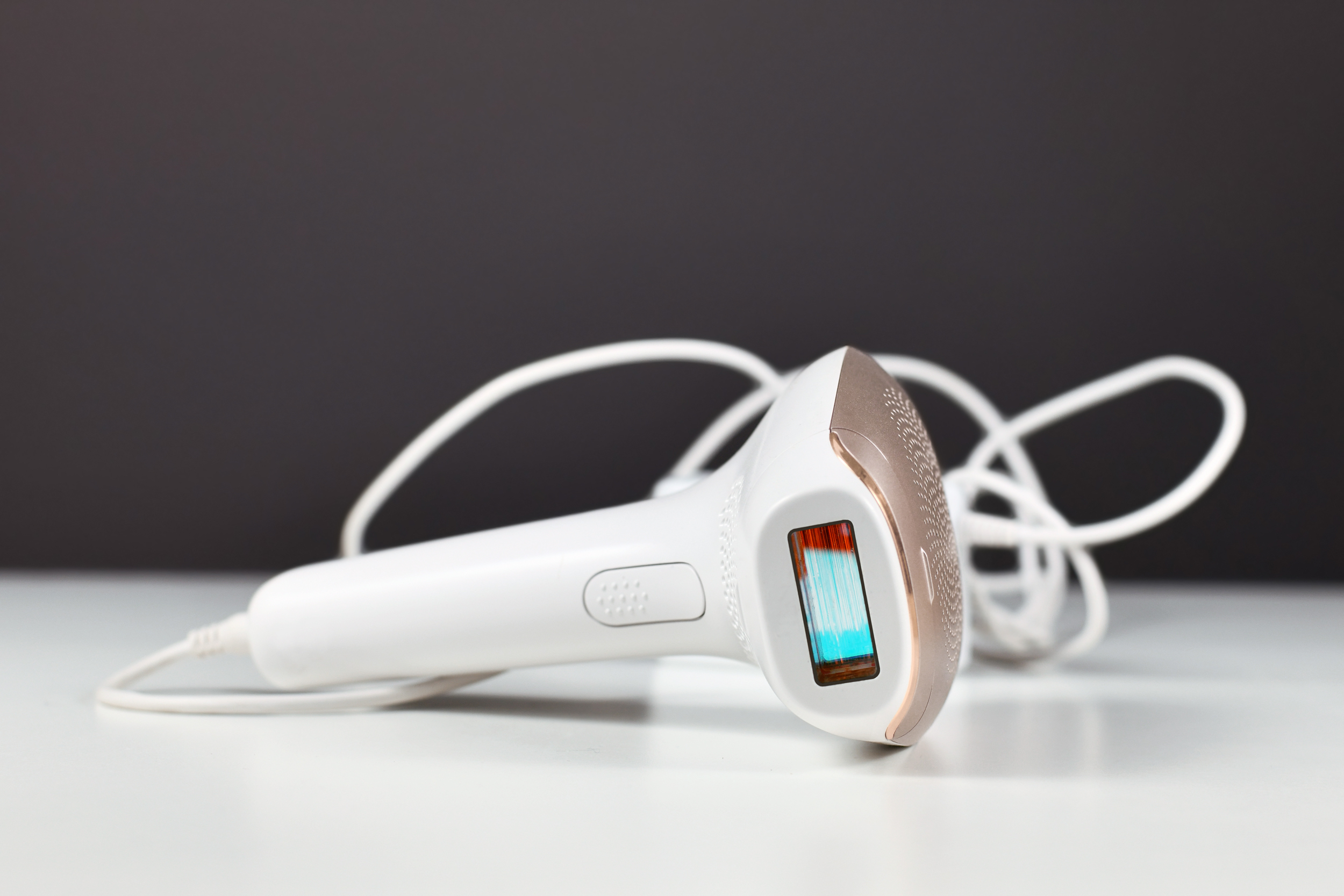
OptiLight uses Intense Pulsed Light, or IPL, delivered to the skin around the eyes. It is specifically designed for appropriate patients with dry eye associated with meibomian gland dysfunction.
IPL can help reduce inflammatory factors around the eyelids and support healthier meibomian gland function. It may also help improve the quality and flow of the oils needed for a more stable tear film.
Treatment is typically performed as a series rather than a single session. The exact plan depends on your symptoms, skin characteristics, gland health, and response to treatment.
How RF Supports the Eyelids and Oil Glands
Radiofrequency, or RF, uses controlled thermal energy around the eyelid area. The warmth can help soften thickened oils inside the meibomian glands while also supporting circulation and tissue function.
For certain Cooper City patients, RF may be incorporated into a broader dry eye treatment plan when gland dysfunction and poor oil flow are contributing to symptoms.
The treatment approach can vary depending on the technology being used and the patient's individual needs. That is why an evaluation is important before deciding whether RF, IPL, or another therapy is appropriate.
How iLux Treats Blocked Meibomian Glands
iLux takes a more direct approach to gland obstruction. The handheld system applies controlled light-based heat to specific areas of the eyelid while allowing the provider to visualize the glands.
Once the oils have been warmed, controlled compression is used to help express trapped secretions from the meibomian glands.
This makes iLux particularly useful when thickened or blocked oils are a major part of the dry eye problem. Rather than focusing primarily on inflammation, the treatment targets the physical obstruction preventing healthy oils from reaching the tear film.
IPL vs. RF vs. iLux: Which One Is Right for You?
These treatments are not necessarily competing options. They address different aspects of dry eye, and some patients may benefit from a combination approach.
OptiLight IPL may be selected when inflammation plays a significant role. RF can provide controlled warming and support gland function, while iLux specifically heats and expresses blocked glands.
Hollywood Eye Institute & Aesthetic Center also offers other dry eye options, including BlephEx, punctal plugs, serum tears, and amniotic membrane treatment. The appropriate plan depends on whether your symptoms are driven by gland dysfunction, inflammation, poor tear production, eyelid disease, or multiple factors.
If burning, redness, fluctuating vision, or persistent dryness is no longer responding to eye drops, schedule a dry eye evaluation with Hollywood Eye Institute & Aesthetic Center at 9999 Sheridan Street #100, Cooper City, FL 33024, or call (754) 220-4800 to determine whether IPL, RF, iLux, or another personalized treatment may provide more lasting relief.

Contact Info
Hours of Operation
- Monday8:30am - 5:00pm
- Tuesday8:30am - 5:00pm
- Wednesday8:30am - 6:30pm
- Thursday8:30am - 5:00pm
- Friday8:30am - 5:00pm
- Saturday9:00am - 2:00pm
(Two Saturday's a month) - SundayClosed
Join Our Team
We are always in search of Rockstar employees to join our growing team. Click here to inquire about job opportunities at Hollywood Eye Institute.
© 2026 Hollywood Eye Institute & Aesthetic Center. All rights Reserved. Accessibility Statement - Privacy Policy - Sitemap
Powered by: