
Cataract Consultations: Questions About Your Vision Goals
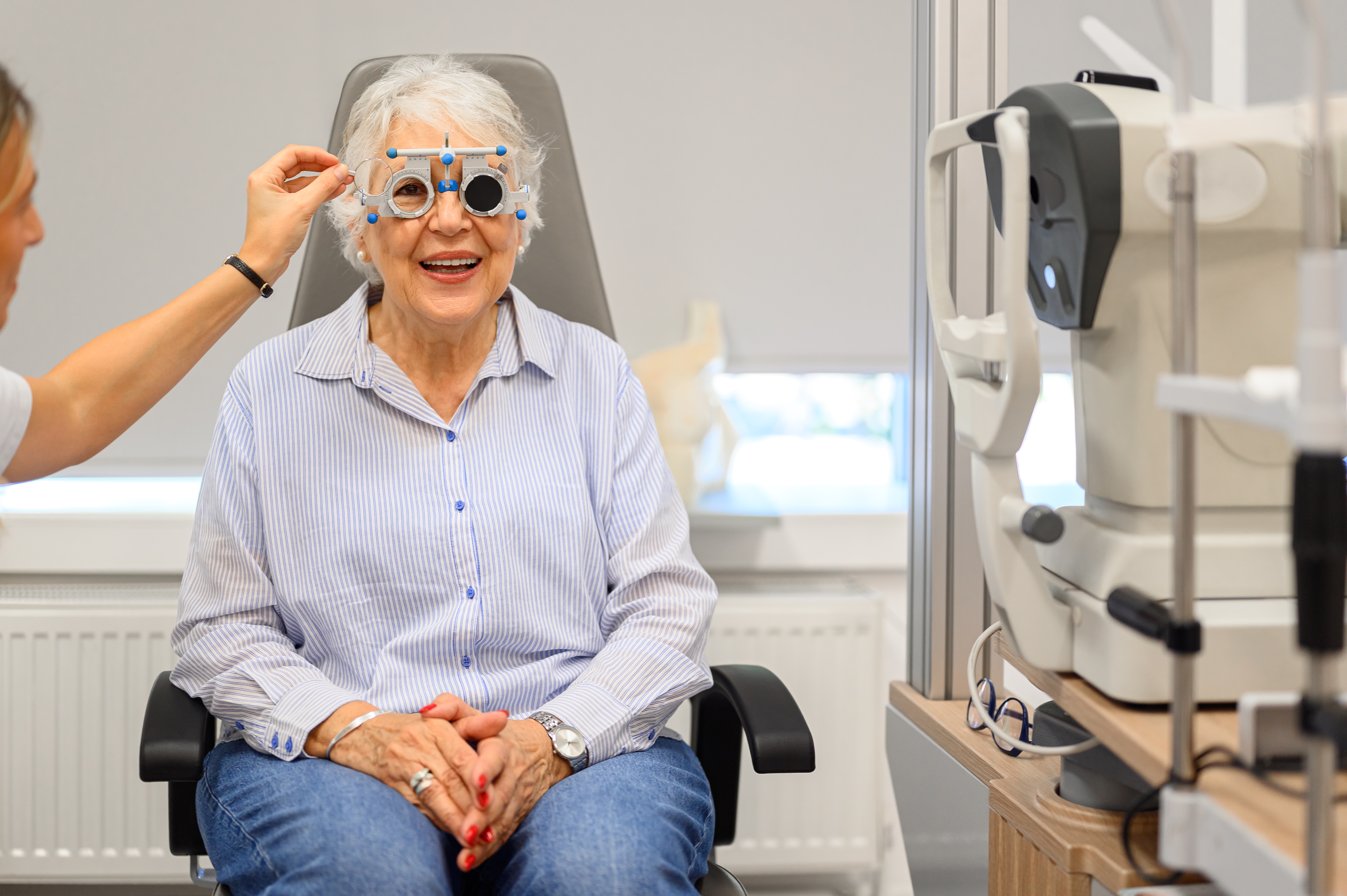
Cataracts can gradually make everyday activities such as reading, driving, working on a computer, or seeing clearly at night more difficult. When those changes begin interfering with daily life, a cataract consultation is an opportunity to discuss more than whether surgery is needed. It is also the time to talk about how you want to see afterward.
At Hollywood Eye Institute & Aesthetic Center in Cooper City, we personalize cataract treatment around each patient’s eye health, prescription, lifestyle, and vision goals.
What Are Your Biggest Vision Concerns?
Before your consultation, think about where your vision causes the most difficulty. Some patients are most bothered by blurry distance vision, while others notice glare, faded colors, trouble reading, or increasing difficulty with nighttime driving.
Tell us which activities matter most to you. Understanding your everyday visual needs helps us evaluate whether cataracts are responsible for your symptoms and what treatment options may be appropriate.
A cataract examination also helps rule out other eye conditions that could affect the expected visual outcome.
What Should You Ask About Cataract Surgery?
Your consultation is the right time to ask questions about the procedure and your options. Helpful topics to discuss include:
How advanced are my cataracts?
Is cataract surgery appropriate now, or can I continue monitoring them?
What vision should I realistically expect after surgery?
Which intraocular lens options are suitable for my eyes?
How might my choice of lens affect my need for glasses?
What should I expect during recovery?
There is no single lens or surgical plan that is best for every Cooper City patient. Your eye health and visual priorities help guide the decision.
What Are Intraocular Lenses?
During cataract surgery, the cloudy natural lens inside the eye is removed and replaced with a clear artificial lens called an intraocular lens, or IOL.
Different IOL designs can address different visual goals. A standard monofocal lens generally focuses vision at one primary distance. Patients may choose distance vision as the main target and continue using glasses for reading or other close tasks.
Advanced lens options may provide a broader range of vision and potentially reduce dependence on glasses for selected activities. These lenses are not appropriate for everyone, and no IOL can guarantee complete freedom from eyewear.
How Does Your Lifestyle Affect Lens Selection?
A patient who spends most of the day working on a computer may have different priorities than someone who drives frequently, plays golf, reads extensively, or wants to minimize dependence on reading glasses.
During your Cooper City cataract consultation, let us know how you spend a typical day and which activities you would most like to perform without glasses.
It is also important to discuss nighttime vision. Some advanced lens designs can involve visual effects such as glare or halos for certain patients, so understanding the potential tradeoffs is part of choosing an IOL thoughtfully.
What Other Eye Conditions Need to Be Considered?
Cataracts are not the only factor that influences vision after surgery. Dry eye, glaucoma, macular degeneration, corneal conditions, retinal disease, and astigmatism may all affect surgical planning or the type of lens recommended.
That is why detailed preoperative testing matters. The goal is to develop realistic expectations based on the health of your entire visual system rather than focusing only on removing the cataract.
Your Vision Goals Should Guide the Conversation
Cataract surgery is designed to restore clearer vision by replacing the cloudy natural lens, but your desired viewing distances and everyday activities help determine how treatment should be planned.
If cataracts are making your daily activities more difficult, contact Hollywood Eye Institute & Aesthetic Center at 9999 Sheridan Street #100, Cooper City, FL 33024 by calling (754) 220-4800 to schedule a cataract consultation and discuss your vision goals.

Contact Info
Hours of Operation
- Monday8:30am - 5:00pm
- Tuesday8:30am - 5:00pm
- Wednesday8:30am - 6:30pm
- Thursday8:30am - 5:00pm
- Friday8:30am - 5:00pm
- Saturday9:00am - 2:00pm
(Two Saturday's a month) - SundayClosed
Join Our Team
We are always in search of Rockstar employees to join our growing team. Click here to inquire about job opportunities at Hollywood Eye Institute.
© 2026 Hollywood Eye Institute & Aesthetic Center. All rights Reserved. Accessibility Statement - Privacy Policy - Sitemap
Powered by: